Guide
A straight guide to aircraft detailing
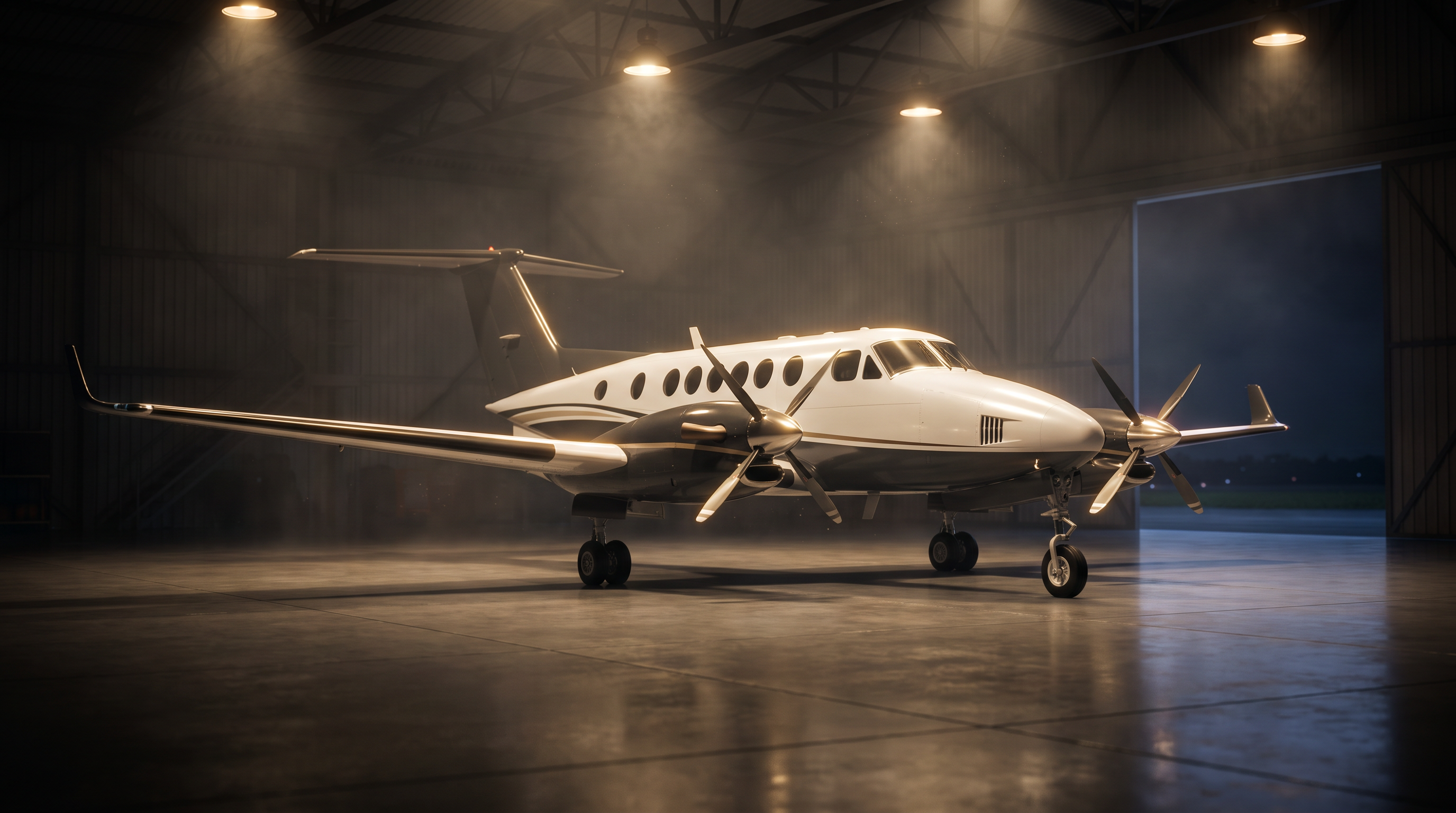
Aircraft finishes are less forgiving than automotive ones, the products are different, and the consequences of a mistake are not cosmetic. Here is what the work actually involves and what to ask before you hire anyone.
Why automotive detailing does not transfer
Aircraft use different paint systems, different substrates and materials that react badly to common automotive chemistry. Alkaline degreasers, aggressive solvents and the wrong compounds can damage finishes, attack acrylics or leave residue in places it should not be. Aviation-certified products exist for a reason.
What a full exterior detail involves
Decontamination and cleaning, surface restoration where the paint has oxidised, careful attention to panel gaps and fasteners, and polishing that respects how thin aircraft paint can be. Height access and surface area make it slow work.
Brightwork polishing
Bare metal surfaces — leading edges, cowlings, spinners — oxidise and dull. Brightwork polishing removes that oxidation and restores a mirror finish. It is labour-intensive and it is one of the most visible differences between a well-kept aircraft and a neglected one.
De-ice boot refresh
De-ice boots degrade under UV and use. The industry-recognised Goodrich method restores them, helping maintain performance and extend service life. This is maintenance with a functional purpose, not just cosmetics.
Ceramic coating on aircraft
Coatings protect against UV exposure, oxidation and environmental wear, and make ongoing cleaning significantly easier — which matters when the surface area is measured in hundreds of square feet.
What to ask before you book
Are they certified for aviation work — and by whom? Are they insured for it? What products are they using, and are those products approved for aircraft? Will they quote in person? Anyone who will quote your airframe over the phone without seeing it has not understood the job.
Common questions
Answers before you call
How often should an aircraft be detailed?
It depends on where it is hangared, how often it flies and the finish. Aircraft kept outdoors need attention far more often than hangared ones. We will recommend an interval when we see the aircraft.
Is aircraft detailing safe for the paint?
When it is done with aviation-approved products by someone certified for the work, yes. When it is done with automotive chemistry by someone treating it like a large car, not necessarily.
Do you need hangar access?
It helps considerably, particularly for correction and coating work where controlled conditions matter. We travel to airports across Texas and will discuss requirements when quoting.
Book the work
Ready when you are.
Call or text the owner directly, or book a slot online.